

Blog Information
LIULIAN CHAIN MANUFACTURING
2024-03-21
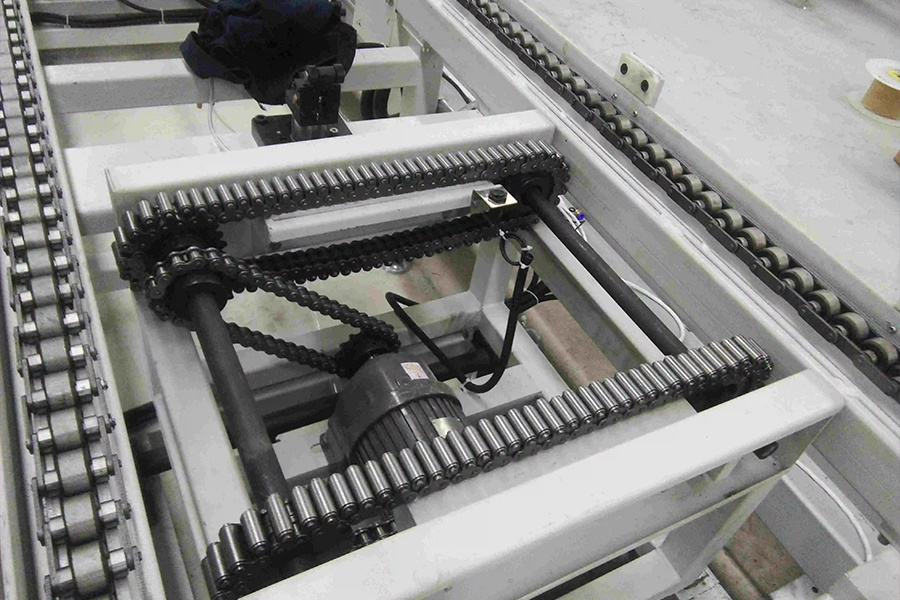
What is the appropriate speed for a sugar factory conveyor belt?
Setting the speed of a sugar factory conveyor belt is a complex issue that requires consideration of multiple factors. The following are the main factors affecting the speed of a sugar factory conveyor belt and recommendations:
2024-03-15
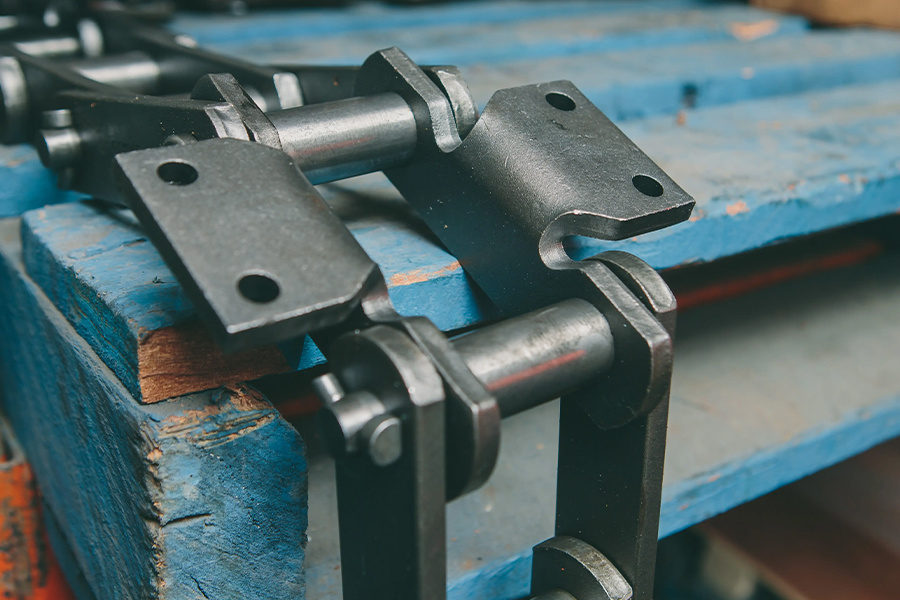
Conveyor chain standards and requirements
The standards and requirements for conveyor chains involve multiple aspects. The main contents are as follows:
2024-01-25
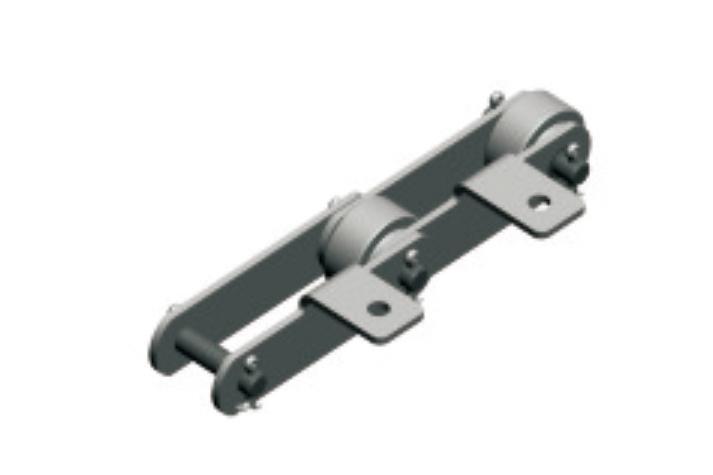
Conveyor chain standards and requirements
Standards and requirements for conveyor chains include the following aspects:Structural design: It should have reasonable, safe, and stable characteristics, and consider the load capacity, transmission efficiency, and ability to cope with various working conditions of the conveyor chain.

2023-03-21
Characteristics of belt conveyor chains
Since its invention in 1795, the belt conveyor has undergone two centuries of development and has been widely used in various industries such as electricity, metallurgy, coal, chemicals, mining, and ports. The third industrial revolution, in particular, brought about the adoption of new materials and technologies, ushering in a new era for belt conveyor development. Today, in terms of conveying capacity, distance, and economic efficiency, it can rival train and automobile transportation, forming a three-legged stand and becoming an industry that countries are vying to develop.
2023-08-23
Lubrication issues in chain drives
I. Preface Friction is a common objective existence in nature, and human survival, life, and development are inseparable from it. However, people's conscious understanding, research, and even utilization of it is relatively late. It was not until the 1940s that it began to receive attention from countries around the world and research began. It was not until the early 1960s that it gradually formed a discipline called "Tribology". The study of friction is of great significance. First, energy consumption. According to statistics from the 1977 International Tribology Conference, 1/3 to 1/2 of the world's energy is consumed in the form of friction loss during the process of energy transmission in various machinery. Second, the loss of parts due to wear and tear. Statistics show that 80% of the failure of machine parts is caused by friction. Each link in the chain transmission has two pairs of friction pairs, namely the pin and the bushing, and the bushing and the roller, and friction also occurs during the meshing of the chain and sprocket. At present, in China, neither chain manufacturers nor users have paid sufficient attention to the lubrication problem in chain transmission. The phenomenon of poor lubrication or even no lubrication is widespread. Therefore, this paper will discuss the lubrication problem of chain transmission. II. Necessity of Lubrication For chain transmission, even if the chain and sprocket are designed to meet the conditions of use and environment, if the lubrication is poor, it is impossible to fully exert the design performance and ensure the service life. The wear amount of a chain with good lubrication and poor lubrication can differ by 200-300 times [2]. Once the lubrication is insufficient, the pin and bushing will wear, causing the chain and sprocket to mesh out of alignment, increasing noise, and lengthening the chain links. It may even cause chain breakage accidents. Poor lubrication between the roller and the bushing will cause these parts to wear out prematurely (see Figure 1) and become unusable. Therefore, it is a crucial measure to develop a reasonable plan for selecting the viscosity of the lubricating oil, the oiling position and method, the oiling interval, and the amount of oiling to ensure that the friction surfaces of the chain are fully lubricated. The following effects can be achieved: Reduce wear of friction pairs; Reduce power consumption; Prevent adhesion wear caused by adhesion; Eliminate overheating caused by friction; Ensure smooth transmission and extend service life. III. Selection of Lubricating Materials Any anti-friction substance that can reduce friction and wear between friction pairs and reduce friction resistance can be used as a lubricating material. There are many types, including lubricating oil, grease, and solid lubricants. When selecting lubricants for chain transmission, the lubrication form, ambient temperature, and matching between chain specifications must be considered. High-quality mineral oils with stable chemical properties are generally used, and those that are pure in composition, do not oxidize, and are free of impurities are the best. As for various used oils or greases, they may contain tiny particles and corrosive components, which can cause chain deadlocks and other failures, so they should never be used as chain transmission lubricants.
2019-10-14
Western China will become a key area for the development of the fastener industry
In recent years, the global demand for fasteners has seen an average annual growth rate of approximately 5.0%. In the coming years, the global fastener industry is expected to enter a period of steady development. In 2010, the demand for fasteners in the United States, Western Europe, and Asia reached US\$16.6 billion, US\$14 billion, and US\$19.2 billion respectively. By thread type, the demand for fasteners is distributed as follows: approximately 52% for external threads, 19% for internal threads, 18% for non-threaded fasteners, 7% for custom and combination fasteners, and 4% for specialized fasteners such as those used in aerospace applications.

Mobile QR Code
Liuzhou Liulian Chain Manufacturing Co., Ltd.
Contact person:Ms. Nadine Niu (Export Manager)
Mobile/Wechat/Whatsapp:+86-15577202851
Add: No.2, North Fourth Rd.,East Area of Xinxing Industry Park, Liujiang, Liuzhou, Guangxi, China-545112
Tel: +86-772-5334396
Fax: +86-772-5331331
Email: lzchain@126.com liulian_chain@126.com
Website: www.lz-chain.com
Copyright © 2025 Liuzhou Liulian Chain Manufacturing Co., Ltd